Capoeria
TAUGHT BY BETO TRECANAO
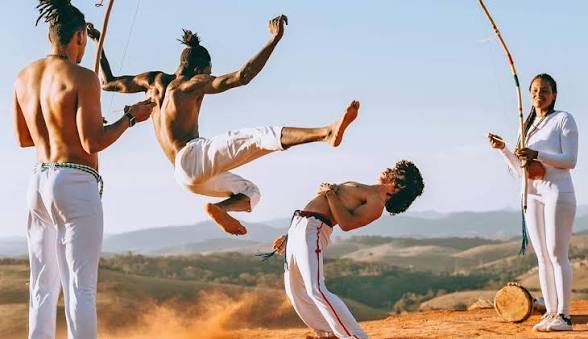
Capoeira is a Brazilian martial art that combines elements of dance, acrobatics, music, and culture. It originated during the 16th century among enslaved Africans in Brazil, who developed it as a means of social resistance and self-defense against their oppressors. Over time, capoeira evolved into a method of expression that symbolizes both cultural heritage and resilience alongside a unique sporting practice.
History of Capoeira
Capoeira's roots can be traced back to African traditions, particularly those of the Yoruba and Bantu peoples. Enslaved Africans, working on plantations, used capoeira as a way to train for potential revolts and to maintain their cultural identity. It was often disguised as a dance to avoid punishment from overseers. In the 20th century, capoeira gained recognition as a legitimate sport and cultural practice, leading to its incorporation into Brazilian society and its spread worldwide.
Enrichment for Students
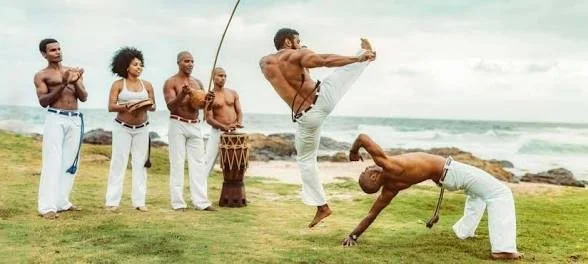
Students practice capoeira not just as a martial art but as a holistic discipline that nurtures physical, mental, and emotional well-being. Through capoeira, practitioners learn about Afro-Brazilian culture, music, and history, fostering a sense of identity and community. The incorporation of music, such as singing and playing instruments during the practice, enhances social connections and creativity.
Discipline and Leadership
Capoeira emphasizes discipline through its structured training sessions, where students develop a strong work ethic and commitment. The practice demands focus and perseverance, as mastering techniques takes time and effort. As students progress, they often take on leadership roles within their groups, teaching newer members and leading classes. This role-playing fosters self-confidence and encourages effective communication, crucial skills for personal and professional life.
Body and Emotion Control
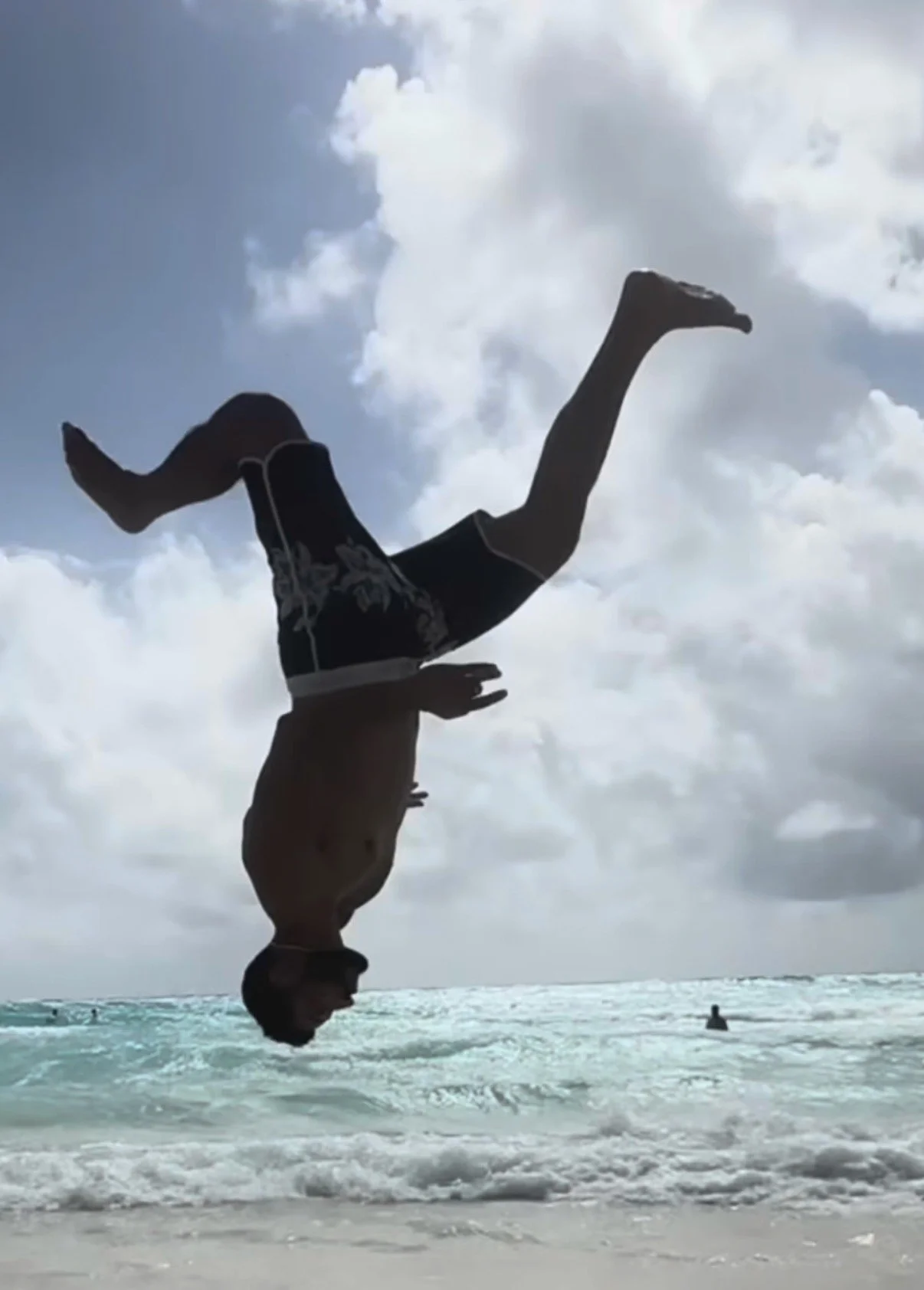
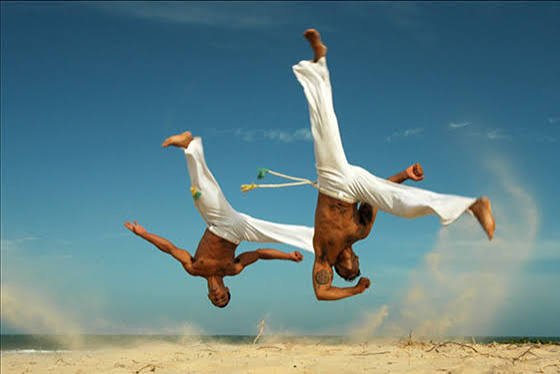
Through capoeira, students learn intricate movements that require coordination, flexibility, and strength. The physicality of the practice helps improve body awareness and control, encouraging practitioners to connect with their physical abilities. Additionally, capoeira often involves improvisation and creativity, enabling students to express their emotions and improve emotional regulation. The camaraderie established in capoeira classes also provides a supportive environment where individuals can learn to manage stress and build resilience.
In summary, capoeira is much more than a martial art; it is a way of life that promotes cultural understanding, personal growth, and community engagement. It teaches valuable life skills such as discipline, leadership, body control, and emotional intelligence, enriching the lives of those who practice it.